Working From the Road · No. 7
In the RV Power & Off-Grid Systems hub.
You Don't Need Shore Power: My Off-Grid RV Electrical Setup, By the Numbers

Some links below are affiliate or referral links, if you buy through one I may earn a small commission at no extra cost to you. I only recommend gear I actually use, see my full kit on the My RV Setup page. Full disclosure.
You can skip shore power for a full day of work without doing anything exotic: store about one day of your normal, non-air-conditioning loads in lithium, and keep a generator on hand for whenever the air conditioner has to run. That's the whole trick, and it's why I have not plugged into a shore-power pedestal in a long time and do not miss it.
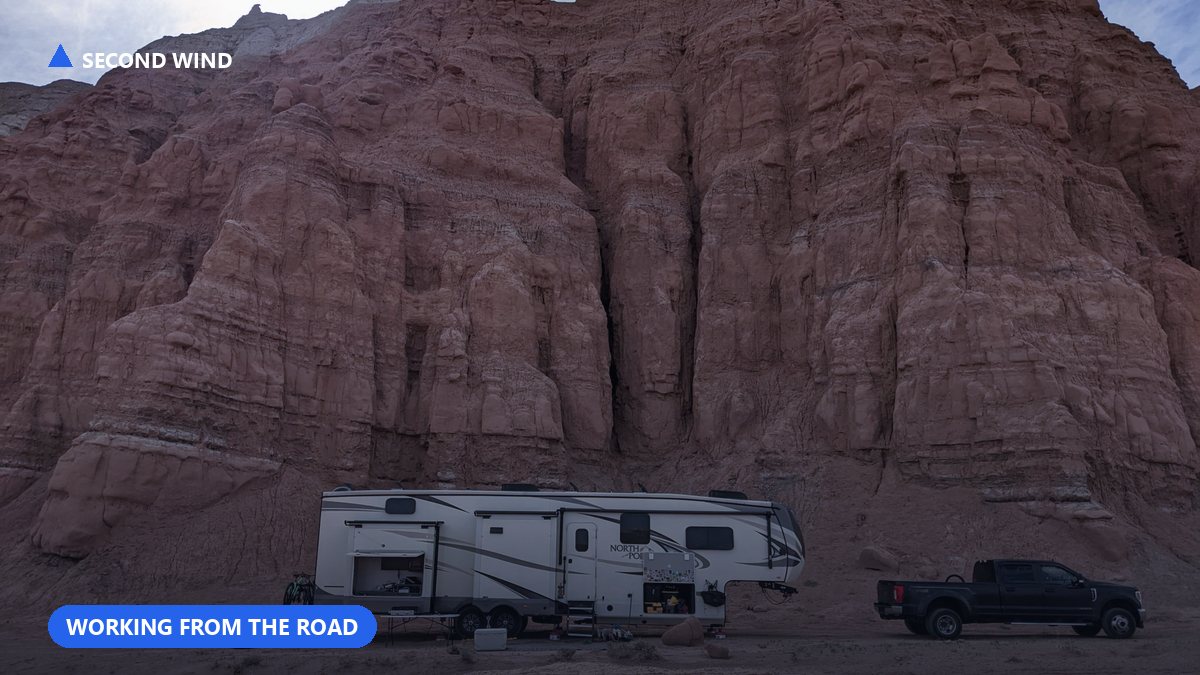
After 30 years in enterprise IT I still think about power the way I thought about a data center: know your load, size your supply, and keep enough headroom that one bad day does not take you offline. Here is exactly what sits in my 23-foot Class C and the real numbers behind it.
The whole system, by the numbers
People love to argue about brands. What actually matters is watt-hours, how much energy you can store, and how fast you can put it back. Here is my inventory:
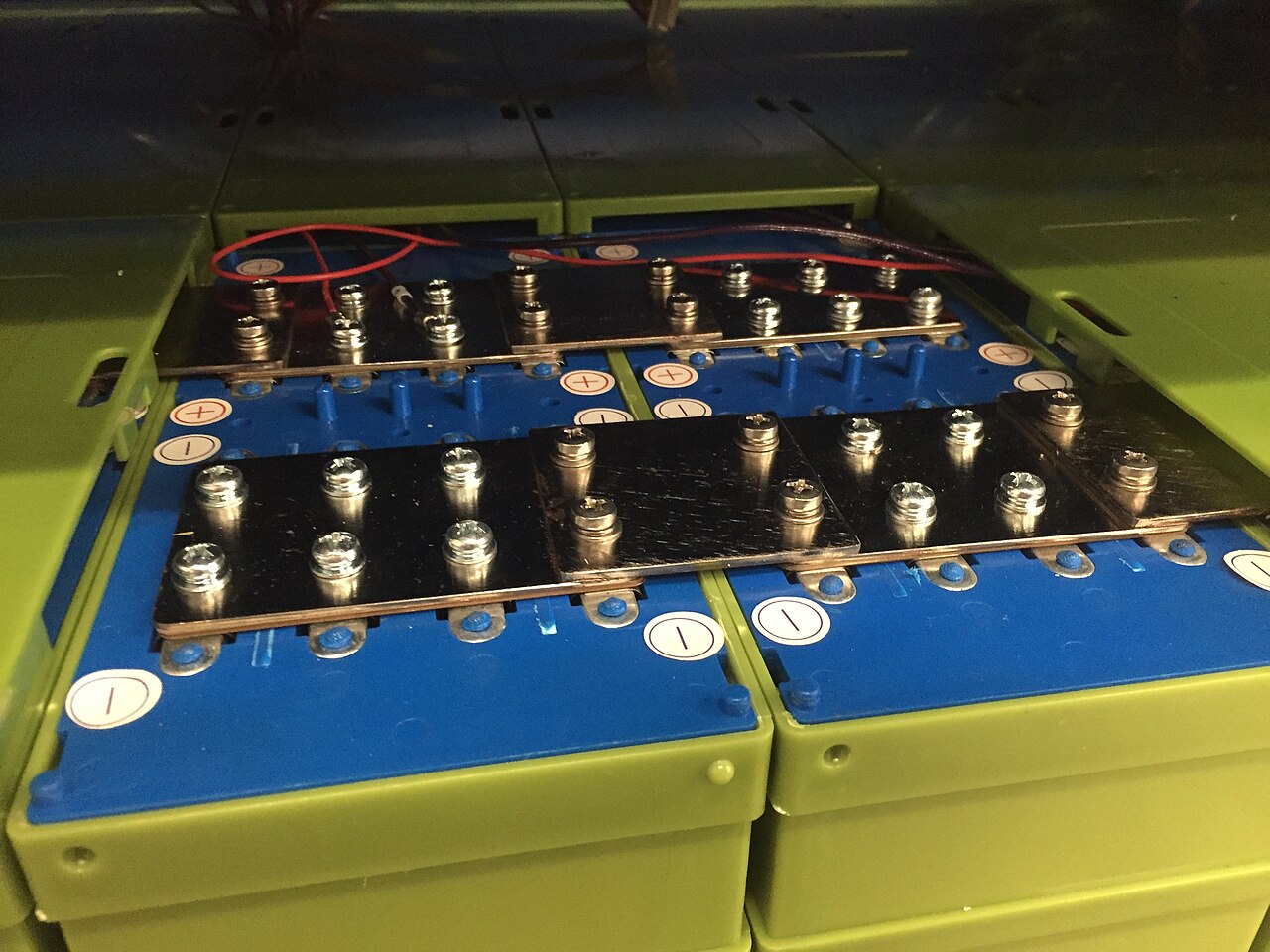
- House bank: two Battle Born 100Ah 12V LiFePO4 batteries, about 2,560 watt-hours built into the rig.
- Portable power station: a Pecron F3000LFP, a 3,600-watt, 3,072 watt-hour lithium-iron-phosphate unit I can pick up and carry.
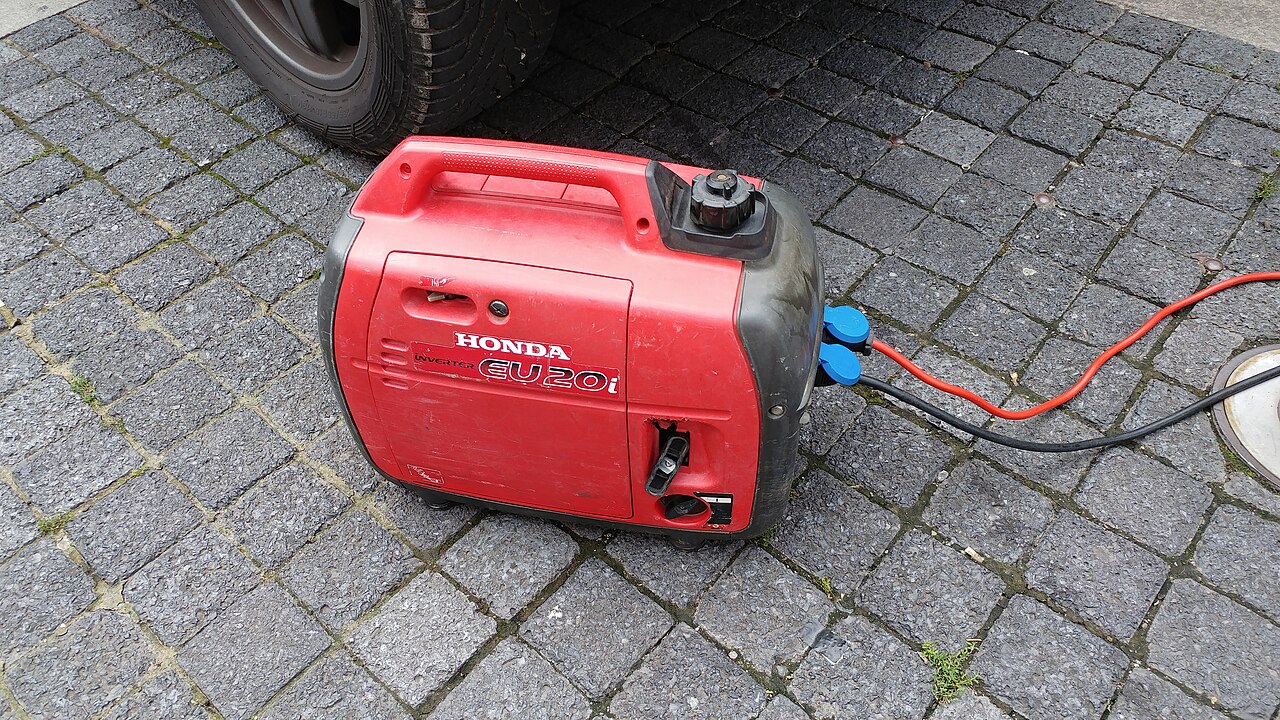
- Onboard generator, runs the rooftop air conditioner and fast-charges both banks. This is my real hookup replacement.
- 100 watts of rooftop solar, honestly, a trickle. It puts back maybe 400 to 500 watt-hours on a good day. It is a maintainer, not a refill.
Add the house bank and the Pecron together and I am carrying roughly 5,600 watt-hours of lithium. That is the number that changed everything. It is enough to run a full work day, laptops, monitor, router, Starlink and a backup hotspot, lights, the fridge, charging everything, without the generator running and without a pedestal in sight.
Those watt-hour figures are nameplate numbers, not a lab test I ran. Pecron's own product page titles the F3000LFP as 3,600 watts and 3,072 watt-hours (checked Oct 2 2026): pecron.com. Battle Born's page lists the house batteries at 100Ah and 12V, not a watt-hour figure, so the 2,560 watt-hours already on this page is my inventory math for two of them, not a number their page prints: battlebornbatteries.com. The 400 to 500 watt-hours a day from solar and the three to four hours of rooftop A/C are my own use, same as always, not a new measurement.
The sizing method, if your rig isn't like mine
I didn't invent this approach. It's the same method the 2026 RV sizing guides use, including Victron's battery-bank sizing article and the power triangle in RV Dump Finder's boondocking power breakdown. If your rig doesn't look like mine, run the same four steps with your own numbers:
- Add up a normal day of your loads in watt-hours.
- Hold at least one full day of that in lithium.
- Solar only has to refill that one day, in whatever sun you actually get. My 100 watts on the roof does that at a trickle, not a refill, and I said so above.
- A generator covers the air conditioner and the cloudy days. That's its job, not a backup plan.
The one thing batteries will not do: air conditioning
Here is the honest limit, because I will not pretend otherwise. Air conditioning is the one load that humbles every battery bank. My rooftop A/C will run off the batteries for maybe three to four hours, and then they are done. That is not a Battle Born problem or a Pecron problem, a rooftop A/C compressor is simply a huge, sustained draw, and no reasonable amount of lithium runs it all afternoon in July.
That is exactly why the generator earns its spot. When it is hot, the generator runs the A/C directly and fast-charges both banks at the same time. An hour of generator time cools the rig and refills the batteries, and then I am quiet again for hours. If you want the full fuel breakdown of what that actually costs, I ran the real numbers in Generator Math.
Why the portable battery matters as much as the built-in one
A lot of RVers stop at the house batteries. The Pecron is what makes my setup flexible instead of fragile. It is a second, independent bank I can move: carry it outside to run tools, or set it next to my desk as a clean buffer for the gear I am being paid to keep online. And here is the part I really like, I have a Pecron DC-to-DC charger that runs from my two house lithium batteries back to the portable Pecron, so I can recharge the portable pack straight off the house bank whenever I need it. No pedestal, no waiting for the sun, the energy already stored in the rig tops off the pack I carry. It is a real DC-to-DC charger wired for the job, not a cigarette-lighter socket that can barely push a few amps.
It also gives me redundancy. In IT you never let one failure take down a critical system, and power is no different. If something goes wrong with the built-in bank, I still have 3,000-plus watt-hours sitting on the floor that will keep me working while I sort it out. Two independent banks means a single fault is an inconvenience, not the end of the day.
What about more solar?
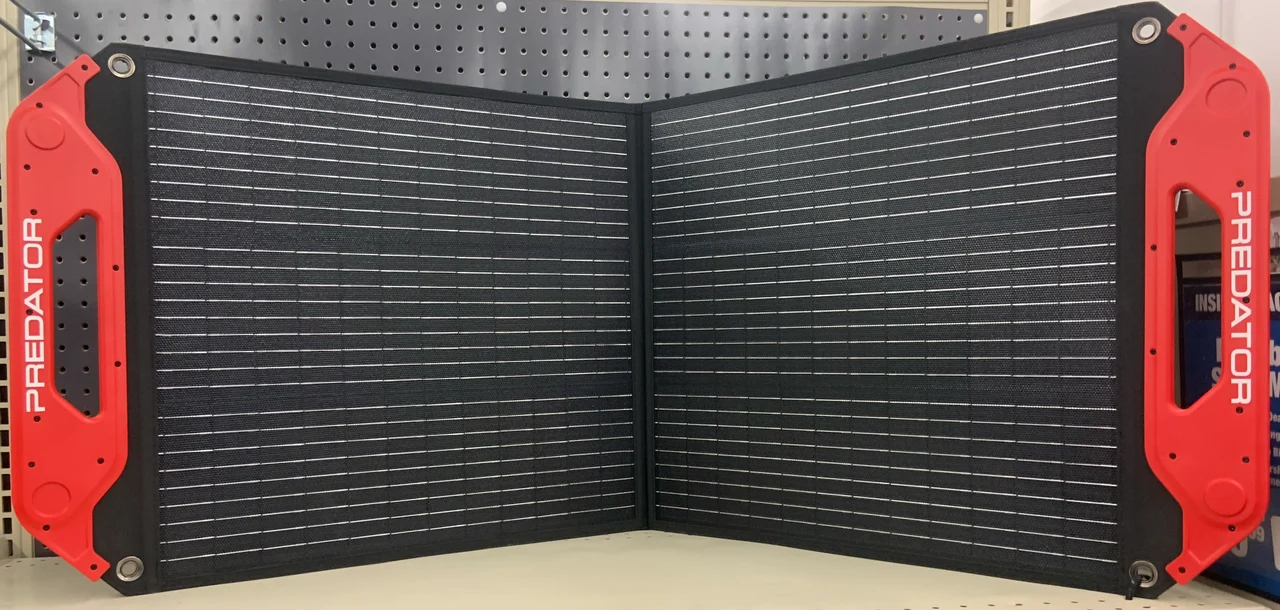
People assume the fix for any off-grid setup is "add more solar." Maybe someday. My 100 watts on the roof is a maintainer, and the only upgrade I have considered is a 200 to 400-watt folding panel I could aim at the sun on a long stationary stay, purely to run the generator less, not because there is a gap. If you are trying to size solar to actually run your office rather than just maintain the batteries, I worked through the full watt-hours math in How Much Solar Do I Need to Work From My RV? With 5,600 watt-hours of storage and a generator that refills it fast, I do not have an energy shortage. I have plenty of storage and a quick way to top it off. More solar would be a nicety, not a necessity, and I will not tell you it is essential when for my use it simply is not.
The clean-power piece
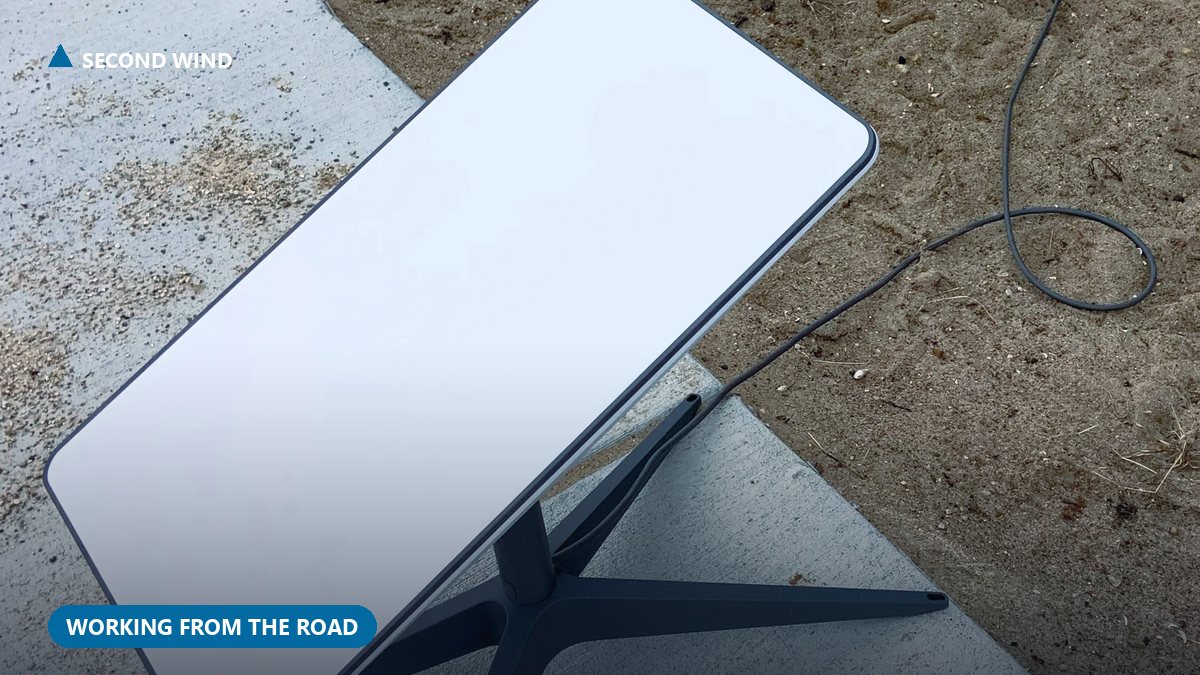
One thing that gets overlooked: off-grid power is often messy power. Generators cycle, compressors kick on, and those surges are hard on sensitive electronics. I keep the gear that matters, Starlink especially, running off an EcoFlow power station sitting in the middle, so it sees clean, steady power and never feels the surge. I broke down why that surge problem is so brutal on a Starlink dish in Your AC Will Kill Your Starlink. That battery is doing double duty, storage first, surge buffer second.
The bottom line
Roughly 5,600 watt-hours of lithium, a generator for the heavy lifting and the heat, and a little solar to keep things topped off. That combination is why I never need to plug in. A shore hookup is a convenience I will take when it is offered and never plan my day around. Know your loads, store enough energy, and keep a fast way to refill it, do that, and "off-grid" stops meaning "roughing it" and starts meaning "the office happens to be parked somewhere beautiful."
If you want the day-to-day reality behind these numbers, the mice, the mud, and the meetings that still have to happen on schedule, I wrote about that side of it in Mice, Mud, and Meetings.
My setup, the gear in this article
- House batteries: Battle Born 100Ah 12V LiFePO4 battery (I run two)
- Portable power station: Pecron F3000LFP, 3,600W / 3,072Wh
- House-to-portable charging: Pecron DC-to-DC charger
- Clean-power buffer for Starlink: EcoFlow power station
- Optional solar upgrade: 200W folding solar panel
More notes on this gear and what I'd change go out on my Substack: dominicferrara.substack.com.
Related watch
A helpful video on this topic from the wider RV / AI community.
Video: How to power your rig off-grid: RV batteries, generator & solar, embedded from YouTube.