Pillar hub: RV Power & Off-Grid Systems. Power and solar pieces now live under the RV Power pillar. Starlink and remote-work pieces sit under Starlink & Remote Work.
RV Tech & Tips
Getting tech to behave in an RV is half the adventure. I run a full-time job and this site from a rig on Starlink, so the questions below aren't theoretical: what happens to the internet when the AC kicks on, how long the battery actually backs things up, what a generator's fuel cutoff does to your workday, and how much solar you really need before you can put the generator away. Real numbers from my own setup, so you can skip the trial and error.
Last updated September 19, 2026
Why This Page Exists
Most "off grid RV power" guides are written by someone who spent a weekend boondocking. I'm writing this from a 2021 Thor Compass parked in a field, where the two of us run full workdays, mine on a laptop and hers as a court reporter, on Starlink and an EcoFlow battery. That's a different problem than keeping the lights on for a weekend. A dropped connection during a work call matters. A generator that quits at the wrong moment matters. So this hub is built around the specific failure points that show up when RV tech has to survive a real workday, not just a getaway.
Starlink and the EcoFlow: Why We Run a UPS at All
From our rig: Starlink doesn't officially require a battery backup, and most weekend campers never need one. We run ours through an EcoFlow anyway, because the thing that actually kills the connection isn't weak signal, it's power surges. When the RV's AC compressor kicks on, or when the generator cycles, the voltage dip is enough to cold-reboot the dish. That means a full re-acquire cycle in the middle of whatever you were doing. Running the dish off a battery instead of straight off the coach's power smooths that surge out before it ever reaches the Starlink hardware.
How long the EcoFlow actually rides out a surge or a short outage depends on the model and what else is pulling from it that day. I broke down the exact watt-hour math off my own unit, not just the spec sheet, in Starlink Power Consumption, and the backup logic itself is covered in Does Starlink Need a UPS? and My Starlink Backup for the RV. If you're setting this up for the first time, the EcoFlow is the piece worth buying before the surge protector: this is the EcoFlow line I use.
When the Generator Has to Run
From our rig: The Thor Compass generator draws off the RV's own gas tank rather than a separate fuel source, and it has a built-in cutoff at 25% fuel so you can't accidentally run the coach dry chasing generator hours. The tradeoff is that when it cuts off, you lose power and Starlink at the same time, so it's worth watching the fuel gauge instead of just trusting the generator to tell you. Under heavy generator use we've had to fill up after about a week. It's a detail nobody mentions until they've been caught by it once.
The Real Data Math Behind Starlink Roam Unlimited
From our rig: Working from the RV full-time, the two of us were burning 20 to 30 GB a week between video calls and evening streaming. That was closing in on the cap of our old plan, about $50 a month for 100 GB, and hitting a data cap mid-workday is a worse problem than it sounds. We upgraded to Starlink Roam Unlimited, roughly $150 a month, and now see real-world speeds of 200+ Mbps down and 50 to 70 Mbps up with no cap to watch. The extra $100 a month buys peace of mind more than raw speed: not wondering if you'll run out of data four hours into a client meeting. If your weekly usage is anywhere near that range, the math on the unlimited plan works out fast. Here's the Starlink plan page if you want to compare current pricing against your own usage.
30-Amp Power and Surge Protection
From our rig: Our coach is 30 amp, and the pedestal gets a surge protector before anything else gets plugged in, every time, no exceptions. Campground power is inconsistent enough that skipping this step is how you find out the hard way what a bad pedestal does to sensitive electronics. The exact unit, the ritual, and the questions people ask about it are in 30 Amp RV Surge Protector. If you want to check current pricing on that model, here's where to look it up.
Solar Sizing: Size the Day, Not the Panel
Worth knowing: Solar comes up in almost every off-grid power question, and most guides jump straight to panel wattage. That's backwards. The number that actually matters is how many watt-hours your day costs, laptop, monitor, Starlink, and everything else pulling power, before you size anything else. I lay out that math and the point where solar quits and the generator has to take over in How Much Solar to Work From an RV.
The guides below go deeper on each of these, from picking a waterfront site to running video calls with none of this drama showing on the call.
 RV Tech & Tips
Pecron F3000 Running Starlink in Our RV Bay
Dish on the grass, router into the Pecron AC, 100-200 Mbps down at this spot. Short firsthand setup from a phone video.
Read article → RV Tech & Tips
Cochiti Lake RV Camping
Site 71 on Ringtail Cat, no hookups, closest pad to the water. November at a Corps campground between Santa Fe and Albuquerque, and why I'd book the dry loop again.
Read article →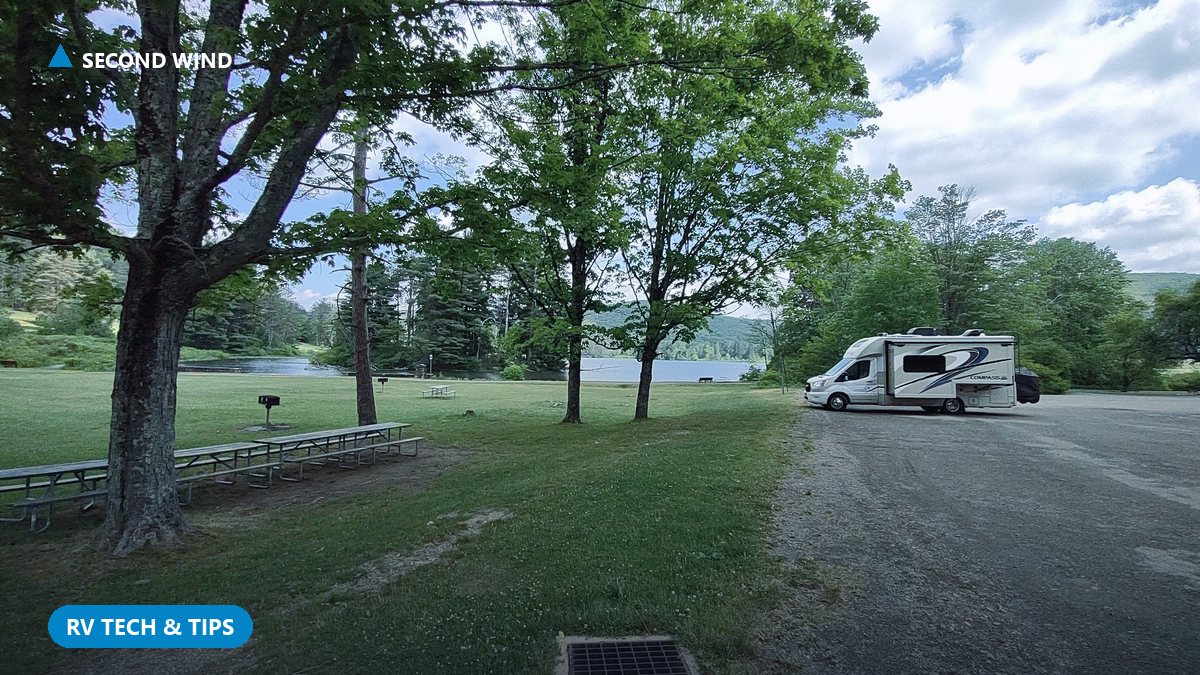 RV Tech & Tips
Find a Waterfront Campsite
I talked the hunt into Grok Bot, checked the real calendars, proved the pad was on the water, and booked a reservable riverfront site for Labor Day weekend.
Read article →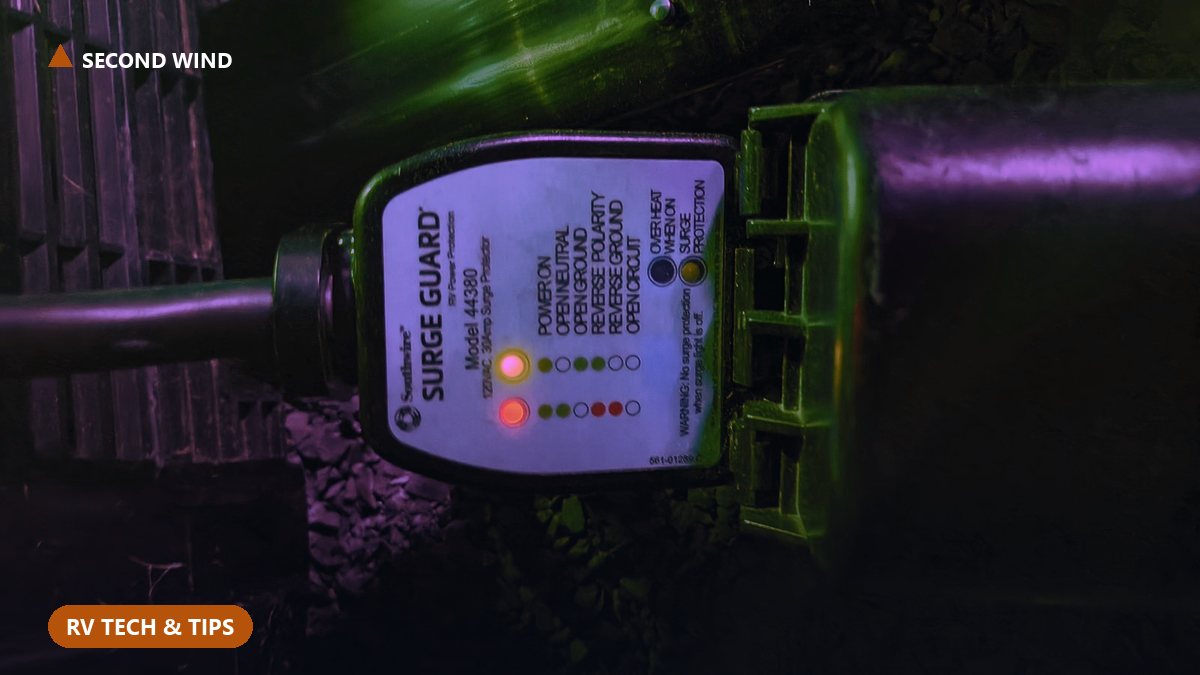 RV Tech & Tips
30 Amp RV Surge Protector
My coach is 30 amp. I plug a Surge Guard 44380 into the pedestal first. Here is the ritual, the lights, and the questions people ask.
Read article →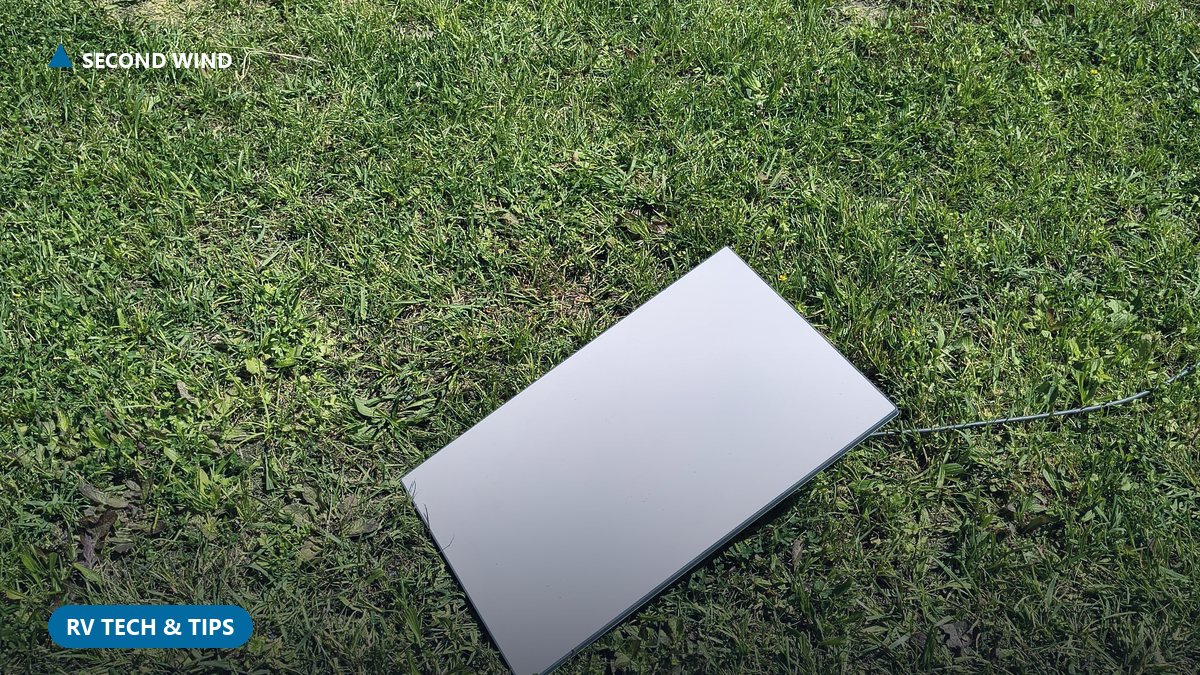 RV Tech & Tips
Does Starlink Need a UPS?
Starlink doesn't officially need a UPS. I still run mine through an EcoFlow, because generator and RV surges cold-reboot the dish.
Read article →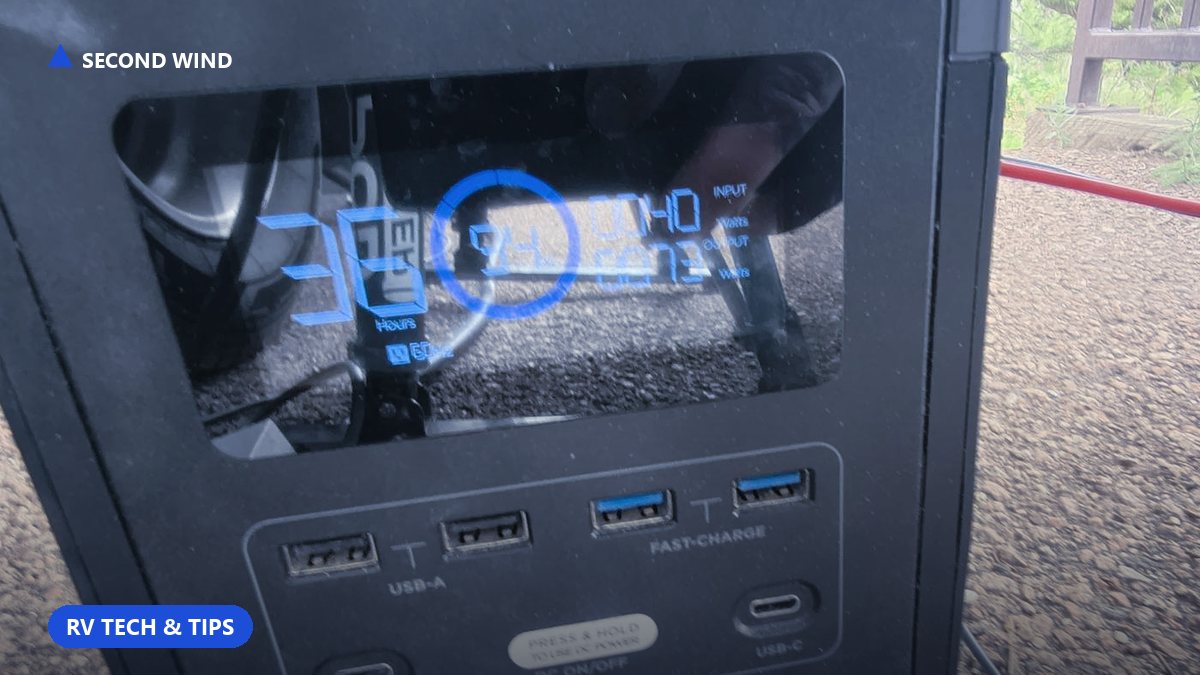 RV Tech & Tips
Starlink Power Consumption
50 to 100 watts depending on your hardware, plus what that means for battery sizing. Real numbers off my own EcoFlow, not just the spec sheet.
Read article →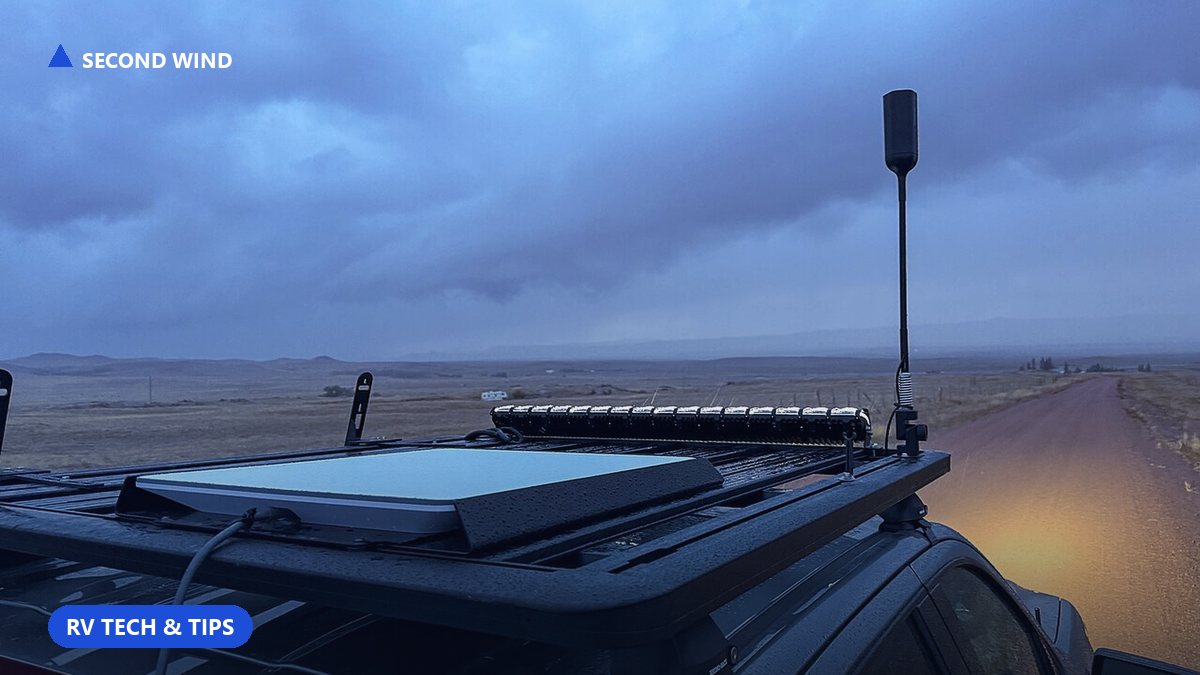 RV Tech & Tips
My Starlink Backup for the RV
Starlink's been nearly flawless for us, except during power surges. Here's the cheap backup setup that keeps us online when it drops: an EcoFlow and an AT&T hotspot.
Read article →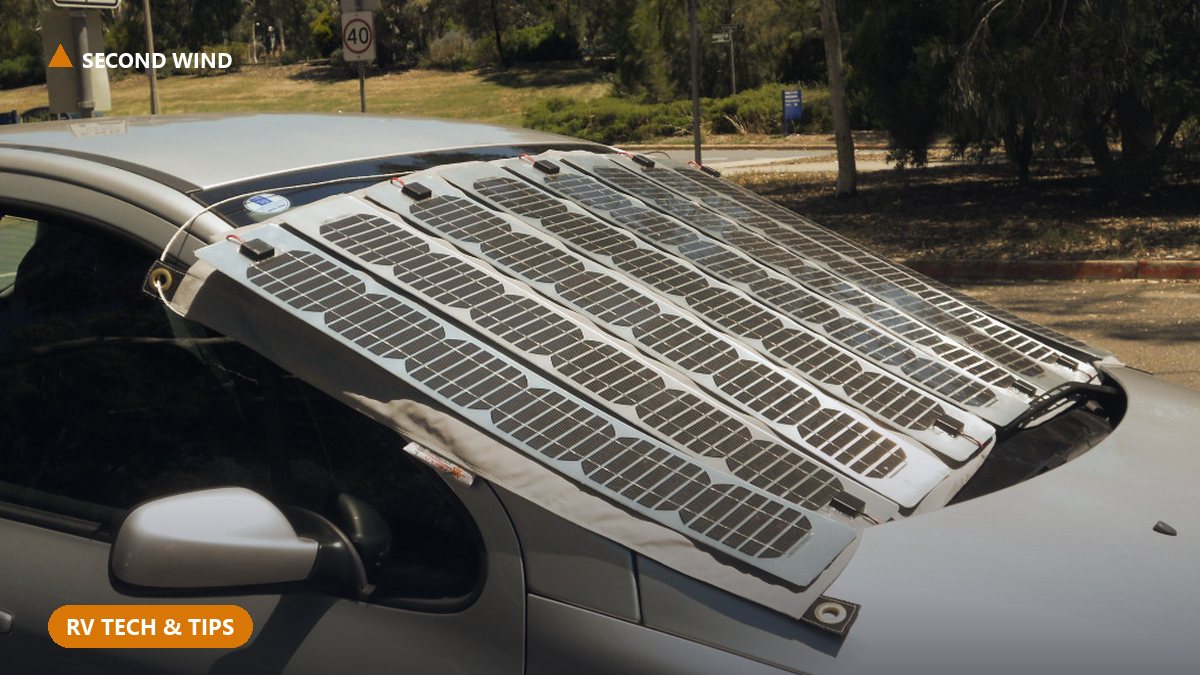 RV Tech & Tips
How Much Solar to Work From an RV
Size the day, not the panel. The real watt-hours math for running a laptop, monitor, and Starlink on solar, plus the point where solar quits and the generator takes over.
Read article →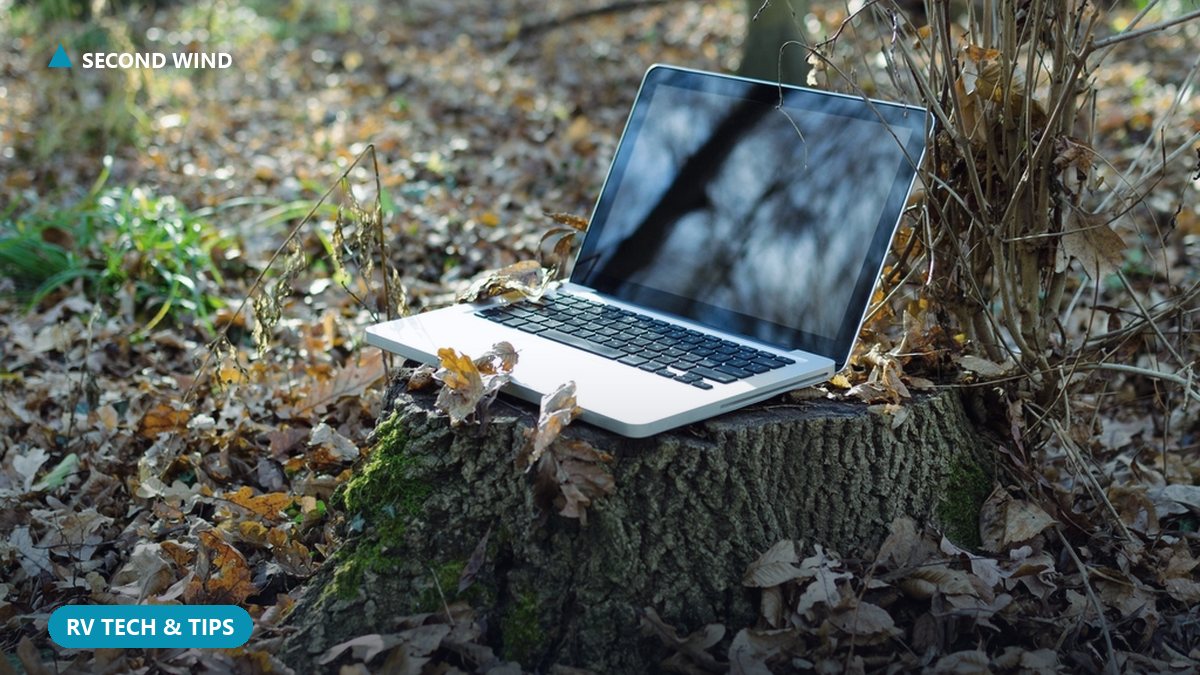 RV Tech & Tips
Video Calls While Boondocking
Zoom from the middle of nowhere, no drama. The internet, power, and backup that make an off-grid video call as boring as one from a spare bedroom.
Read article →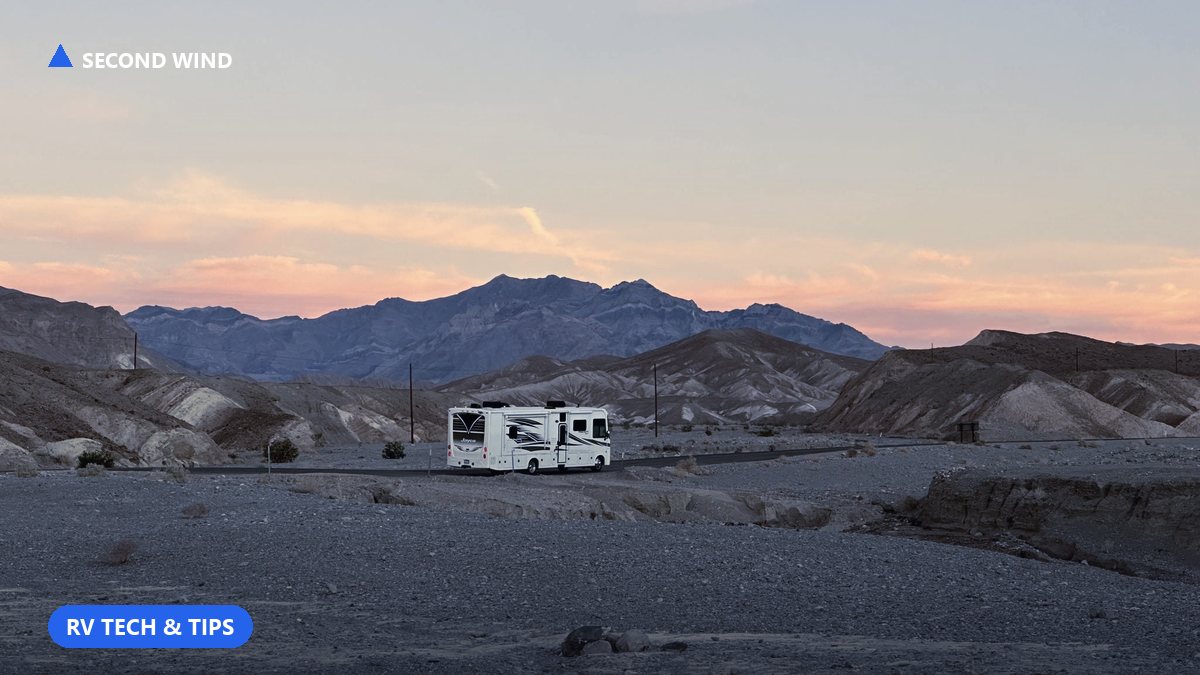 RV Tech & Tips
How to Use AI to Plan an RV Road Trip
The real prompts and workflow for planning a trip that survives contact with the road, campgrounds, drive times, weather, fuel.
Read article → RV Tech & Tips
I Use 4 AI Tools Every Day
Claude, ChatGPT, Gemini, Grok, what each is genuinely best at, from daily real-world use, not a spec-sheet review.
Read article →